
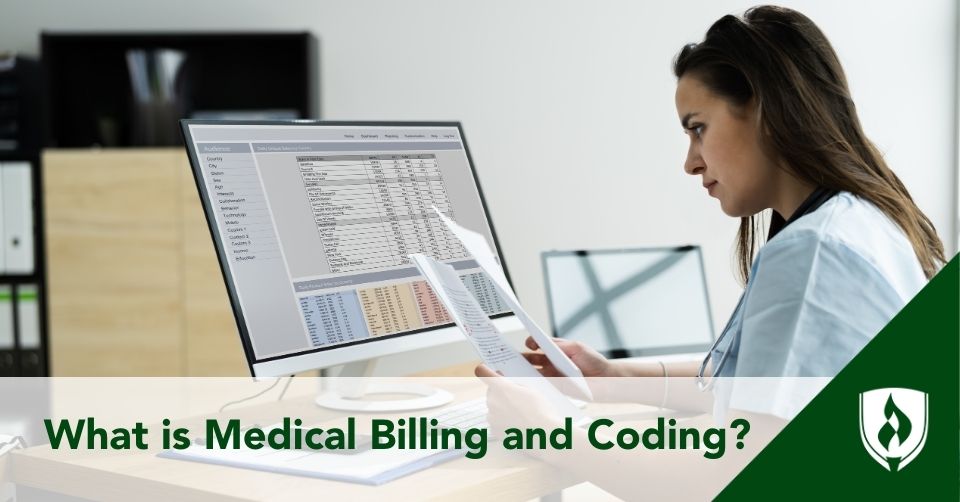
🧠 What Is Medical Coding?
Medical coding is the process of converting healthcare diagnoses, procedures, services, and equipment into standardized alphanumeric codes.
These codes are taken from official coding systems such as:
- ICD-10-CM – for diseases and diagnoses
- CPT – for procedures and medical services
- HCPCS Level II – for medical supplies, drugs, and non-physician services
By assigning accurate codes, medical coders ensure that healthcare providers receive the correct payment from insurance companies and maintain accurate patient data.
💡 Why Is Medical Coding Important?
Medical coding is the foundation of healthcare billing and reimbursement.
It ensures that:
- Hospitals and clinics are paid correctly.
- Patient records remain accurate and standardized.
- Insurance claims are processed smoothly.
- Data can be used for research, reporting, and public health analysis.
Without coding, the healthcare revenue cycle would break down, leading to payment errors and compliance issues.
🧾 Main Types of Medical Codes
There are three major coding systems used in the healthcare industry:
1️⃣ ICD-10-CM (International Classification of Diseases) – Used for recording diagnoses and health conditions.
2️⃣ CPT (Current Procedural Terminology) – Used for medical, surgical, and diagnostic procedures performed by physicians.
3️⃣ HCPCS Level II (Healthcare Common Procedure Coding System) – Used for supplies, equipment, and medications not included in CPT.
👩⚕️ What Does a Medical Coder Do?
A medical coder reviews patient charts, discharge summaries, and physician documentation to assign correct codes that reflect:
- The diagnosis (ICD-10-CM)
- The procedures performed (CPT/HCPCS)
Coders also ensure compliance with healthcare laws and payer rules to avoid denials or audits.
Their accuracy directly affects hospital revenue and claim approval rates.
🎓 How to Become a Medical Coder – Step-by-Step
If you want to start a career in medical coding, here’s your step-by-step path:
1️⃣ Complete a Medical Coding Training Program – Learn anatomy, physiology, ICD-10-CM, CPT, and HCPCS.
2️⃣ Get Certified – Choose a certification like:
- AAPC’s CPC (Certified Professional Coder)
- AHIMA’s CCS (Certified Coding Specialist)
3️⃣ Gain Experience – Start with internships or entry-level roles to understand real-world documentation and payer processes.
4️⃣ Keep Learning – Coding guidelines change annually. Staying updated ensures accuracy and compliance.
📚 Understanding ICD-10-CM and CPT Coding
✅ What Is ICD-10-CM?
It stands for International Classification of Diseases – 10th Revision, Clinical Modification.
Used globally, this system helps coders represent diseases, symptoms, and causes accurately for clinical documentation and insurance claims.
✅ What Is CPT Coding?
CPT (Current Procedural Terminology) describes medical, surgical, and diagnostic procedures performed by healthcare providers.
It ensures standardized communication between coders, providers, and insurance companies.
💪 Skills Required for a Successful Medical Coder
A great coder should have:
- Strong knowledge of medical terminology & anatomy
- Attention to detail
- Understanding of coding guidelines and payer rules
- Analytical and problem-solving skills
Having these skills helps maintain high coding accuracy and claim acceptance rates.
🎓 Is Certification Necessary?
Yes — certification adds significant value to your career.
Having credentials from AAPC (CPC) or AHIMA (CCS):
- Increases your job opportunities
- Boosts your salary potential
- Proves your expertise to employers
Most top healthcare companies prefer certified coders due to compliance and quality standards.
💻 Can You Work From Home as a Medical Coder?
Yes, many coders enjoy remote work after gaining a few years of experience.
Beginners often start with Work From Office roles to get training, feedback, and mentorship.
Once proficient, remote or hybrid roles become available in companies like WNS, Omega, Corro Health, AGS, and GeBBS.
💰 Medical Coder Salary in India
- Entry-Level Coders: ₹2.5 – ₹4.5 LPA
- Experienced/Certified Coders: ₹6 LPA and above
- Specialties like ED or Surgery Coding can offer even higher pay depending on skills and performance.
The demand for coders is growing rapidly due to global outsourcing and healthcare digitization.
🏥 Popular Specialties in Medical Coding
Some of the most in-demand coding specialties include:
- Emergency Department (ED)
- Inpatient (IPD)
- Surgery Coding
- Radiology and Pathology
- Evaluation and Management (E/M)
Each specialty requires domain-specific knowledge and coding expertise.
🚀 The Future of Medical Coding
The future of medical coding is bright with AI-assisted coding and automated documentation tools.
However, human coders will always be essential for:
- Validating AI results
- Ensuring compliance
- Handling complex cases and surgical procedures
Coders who adapt to new technologies will lead the next wave of digital healthcare transformation.
📝 Conclusion
Medical coding is not just about assigning numbers — it’s about ensuring accuracy, compliance, and patient safety in healthcare.
If you have an eye for detail and a passion for healthcare, becoming a medical coder can be a rewarding and respected career choice.
Start your journey today, get certified, and join the growing global network of professional medical coders
images ref by :-www.google.com